Cold Mornings, Better Nutrition: The Benefits of On-the-Go Smoothies
Cold weather often brings changes to everyday eating habits. Fresh produce may become less appealing, busy mornings leave little time for breakfast, and shorter days can make maintaining healthy routines more challenging.
Smoothies offer a practical way to keep nutrient-rich foods in the daily rotation without spending much time in the kitchen. With the right ingredients, a portable smoothie can provide fiber, protein, vitamins and minerals that support overall health throughout winter.
Winter Nutrition Needs Extra Attention
Winter brings several factors that can affect nutritional habits, including reduced access to seasonal produce, holiday schedules and a greater reliance on convenience foods. Although the body doesn’t necessarily require more vitamins simply because temperatures drop, maintaining a varied diet supports normal immune function and overall health during respiratory virus season.
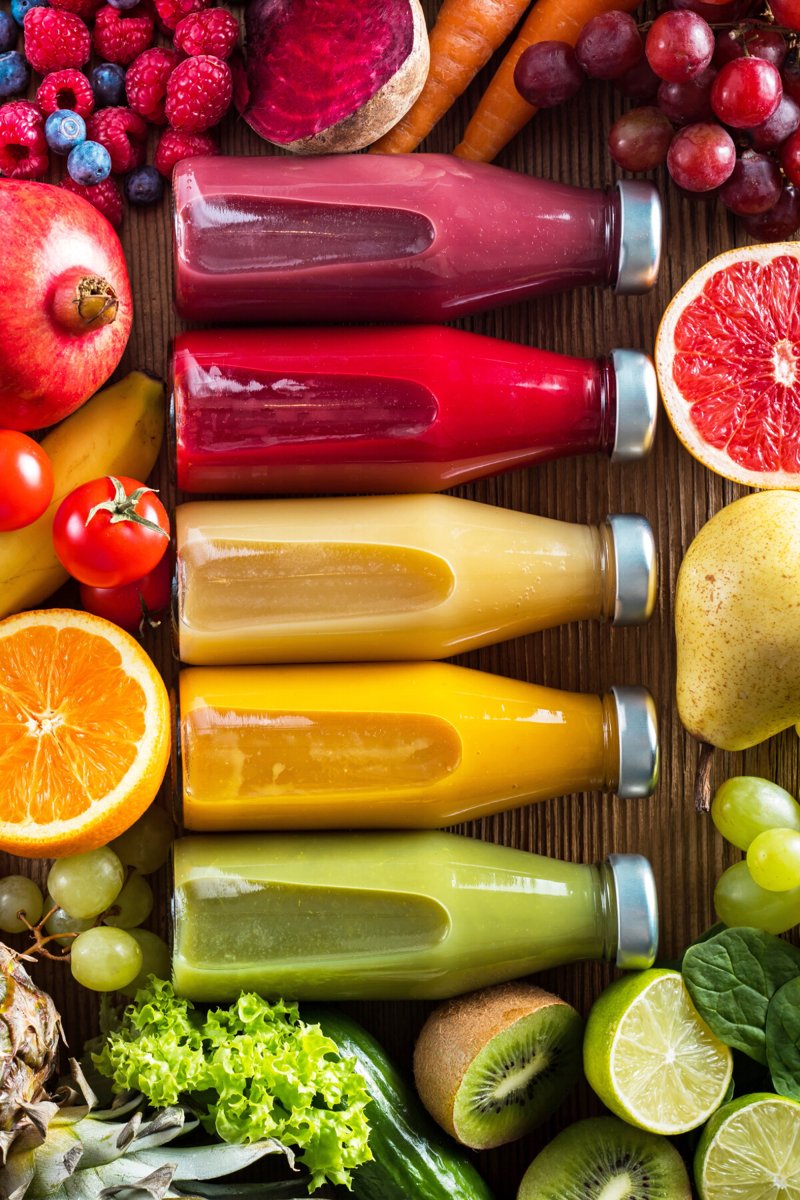
Smoothies make it easier to incorporate fruits and vegetables that might otherwise be overlooked. Frozen berries, mangoes and peaches retain much of their nutritional value and are available year-round. Citrus fruits and strawberries provide vitamin C, which supports normal immune function, while bananas contribute potassium and carbohydrates for energy.
Hydration also deserves attention during colder months. People may feel less thirsty when temperatures fall, despite continuing to lose fluids through breathing, perspiration and everyday activity. A smoothie made with milk, water or unsweetened plant-based beverages contributes to daily fluid intake while providing nutrients that plain water doesn’t.
Convenient Nutrition for Busy Mornings
A nutritious breakfast often becomes a casualty of rushed winter mornings, particularly when commuting, school schedules and holiday commitments compete for time. Preparing smoothies at home allows people to control ingredients and portions without relying on packaged breakfast products that may contain substantial amounts of added sugar.
Compact personal blenders have made this routine more practical by allowing ingredients to be blended in individual portions, often directly in a travel-friendly cup. Preparing frozen fruit, washed spinach and measured portions of oats the night before can reduce morning preparation to just a few minutes.
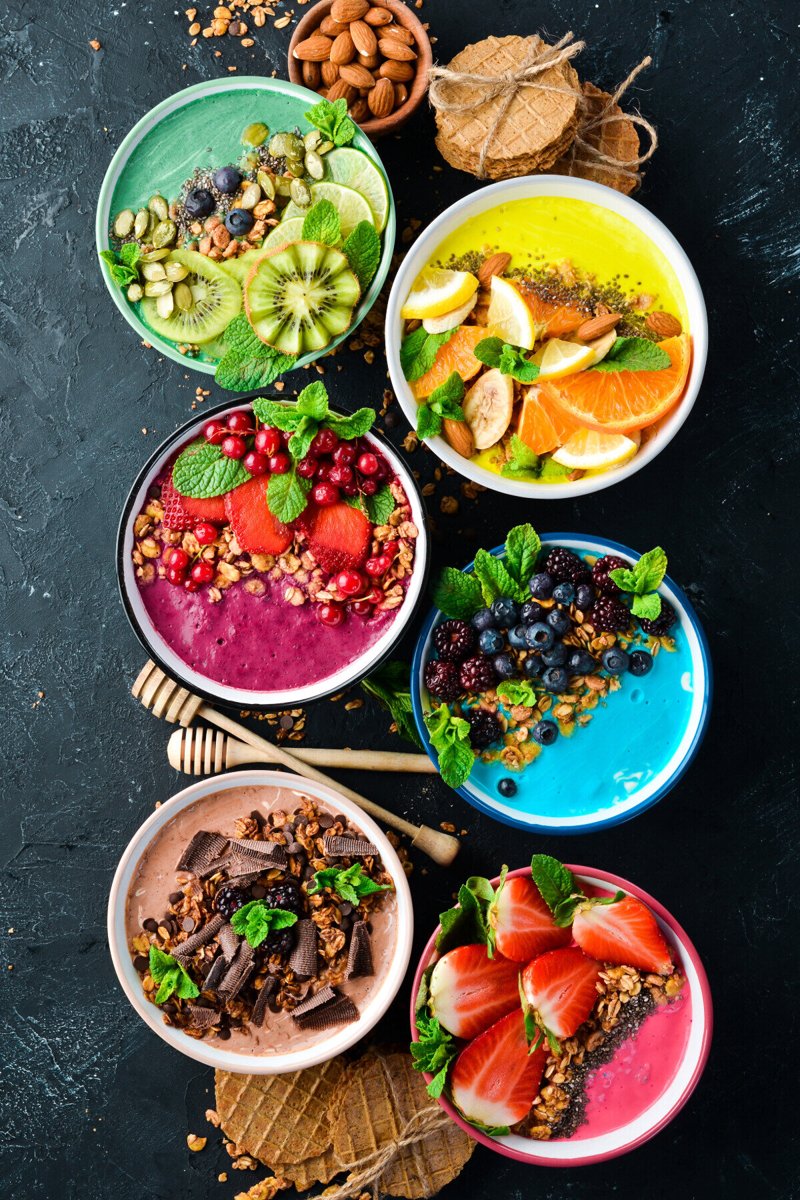
For a more satisfying breakfast, combining fruit with Greek yogurt, nut butter or protein-rich milk helps create a better balance of nutrients. Adding rolled oats, chia seeds or ground flaxseed increases fiber, which supports digestion and helps promote fullness.
A smoothie made exclusively from fruit juice and sweetened fruit products, by comparison, may provide plenty of sugar without enough protein or fiber to sustain energy through the morning.
Getting More Vegetables Into Winter Diets
Vegetable consumption can decline when cold weather makes salads and other raw preparations less appealing. Blending vegetables with fruit offers another way to incorporate produce into meals without requiring additional cooking or preparation.
Spinach, kale and cucumber work particularly well in green smoothies, especially when combined with pineapple, banana or citrus. Leafy vegetables provide nutrients such as folate and vitamin K, while fruit contributes natural sweetness that can balance stronger vegetable flavors. A handful of spinach can be incorporated into a smoothie without substantially changing its taste.
Ingredient combinations matter, however. Kale has a more pronounced flavor than spinach, and large quantities of raw vegetables may create a thick texture that some people find unappealing. Starting with smaller portions and gradually increasing the vegetable content can make these drinks easier to enjoy consistently.
Blending whole fruits and vegetables also preserves much of their dietary fiber, unlike juicing, which typically removes a significant portion of the pulp. That distinction matters for digestive health and blood sugar management, although smoothies shouldn’t completely replace whole produce, which generally requires more chewing and can be more filling.
Supporting Energy During Shorter Days
Winter fatigue can have several causes, including changes in sleep patterns, reduced daylight exposure and inconsistent eating schedules. While smoothies cannot correct every cause of low energy, they can help people maintain regular meals and obtain nutrients needed for normal metabolic function.
Protein is particularly useful in a morning smoothie because it supports muscle maintenance and helps make meals more satisfying. Greek yogurt, fortified soy milk and nut butters provide convenient options, while oats and fruit supply carbohydrates that the body uses for energy.
Smoothies can also contribute iron, magnesium and B vitamins, depending on the ingredients. Spinach contains nonheme iron, and pairing it with vitamin C-rich fruit can improve iron absorption. These combinations offer nutritional benefits without requiring expensive powders or specialty supplements.
Portion size remains relevant. Large smoothies containing several servings of fruit, generous amounts of nut butter and sweetened milk can become surprisingly calorie-dense. Building a drink around a reasonable serving of fruit, a protein source and additional vegetables generally provides a more balanced option.
Making Smoothies Practical All Winter
The greatest advantage of portable smoothies may be their ability to fit into an established routine. Keeping frozen fruit, shelf-stable ingredients and reusable containers available reduces the need for frequent grocery trips or elaborate meal preparation.
Food safety becomes especially relevant when smoothies travel to work, school or appointments. Drinks containing dairy or other perishable ingredients should remain refrigerated or in an insulated container with adequate ice packs. Perishable smoothies generally shouldn’t sit at room temperature for more than two hours.
Texture and temperature also influence how enjoyable smoothies are during winter. Using room-temperature milk instead of ice, choosing less frozen fruit or incorporating ingredients such as cinnamon, ginger and oats can create a more comforting drink without sacrificing convenience.
Smoothies are most beneficial when they complement a varied diet rather than replace balanced meals. Their value comes from making nutritious ingredients easier to consume consistently, even when winter schedules become demanding.