Indian cooking often involves high heat, carefully timed spices, and long periods of gentle simmering. From preparing a fragrant dal to achieving the perfect texture in a vegetable curry, temperature control influences nearly every step.
As induction cooktops become more common in American kitchens, home cooks may wonder whether this technology can accommodate traditional Indian cooking techniques.
The answer is largely yes, although some adjustments are necessary. Understanding how induction responds to temperature changes, which cookware performs best, and where traditional methods require modification can make the transition surprisingly straightforward.
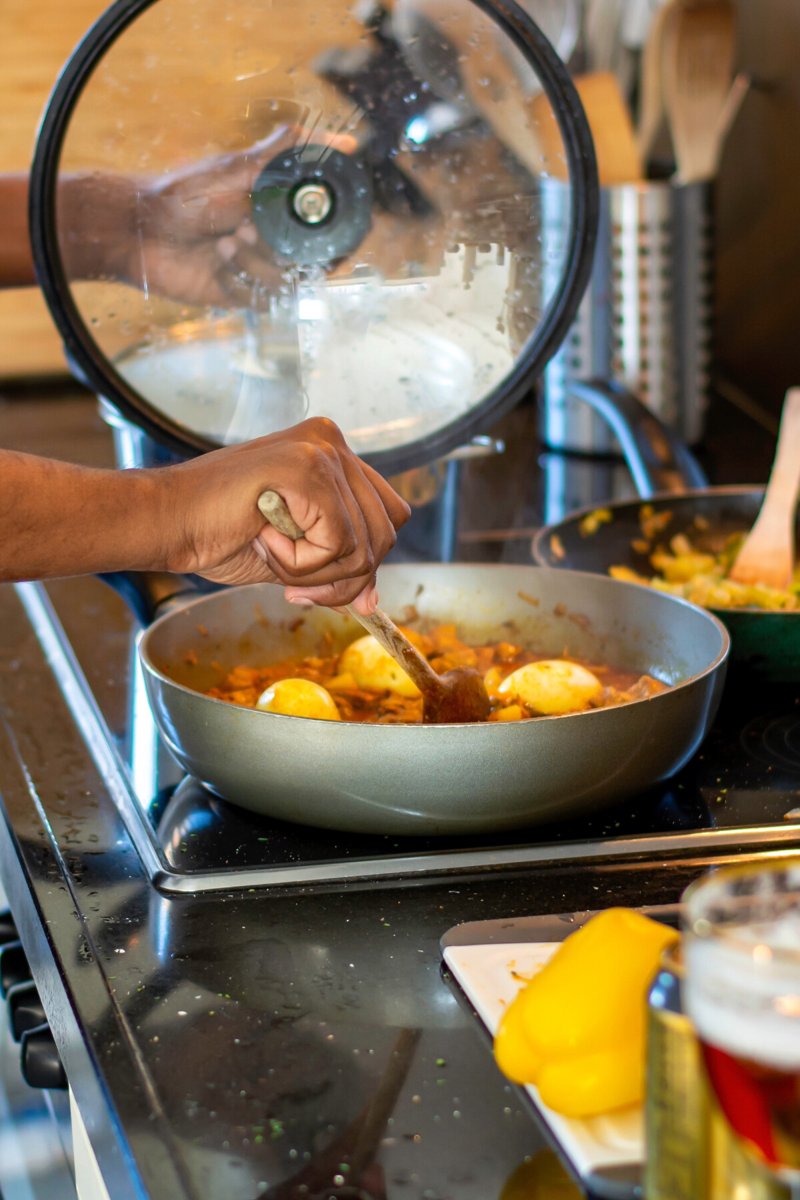
Understanding Induction Heat Control
Unlike gas burners, which produce an open flame, induction cooktops use electromagnetic energy to heat compatible cookware directly. This allows rapid temperature adjustments, particularly when reducing heat after frying spices or bringing liquids to a boil. When choosing the best induction cooktop for Indian cooking, look for multiple power settings, responsive controls, and sufficient heating capacity for larger pots.
Models with fine temperature adjustments offer greater flexibility when preparing delicate sauces. However, induction does not behave exactly like gas. Removing a pan from the cooking surface stops the electromagnetic heating, although the pan itself retains heat. The absence of visible flames also means cooks need to judge temperature through the food rather than the appearance of the flame.
Choosing Cookware for Indian Dishes
Cookware compatibility deserves attention before making the switch. Traditional aluminum kadais, copper-bottomed vessels, and certain stainless steel pots may not work unless they contain a magnetic base. Cast iron, enameled cast iron, and induction-compatible stainless steel are generally reliable choices.
A simple refrigerator magnet can help determine compatibility: If it sticks firmly to the bottom, the cookware will likely work. Flat-bottomed kadais are particularly useful for sautéing vegetables and preparing curries, while heavy-bottomed saucepans distribute heat more evenly during extended cooking.
Rounded woks and kadais designed for gas burners may heat unevenly or fail to make adequate contact with the induction surface. Aluminum and copper cookware can also be used if they have a suitable induction-compatible base.
Mastering Tempering and Spice Preparation
Tempering, commonly called tadka, involves briefly heating spices in oil or ghee to release their aromatic compounds. On induction, this technique benefits from careful preparation because oil can heat rapidly, especially in lightweight cookware.
Measure mustard seeds, cumin, curry leaves, and other ingredients before switching on the burner. Begin at a moderate setting, then adjust according to how the spices react. For example, mustard seeds should begin popping, while cumin seeds should become fragrant without burning.
Similar attention helps when recreating Indian street food favorites such as pav bhaji, where vegetables and seasonings develop flavor through repeated cooking and mashing. For dishes requiring quick frying, maintain consistent pan contact rather than repeatedly lifting the vessel from the surface.
Adjusting Traditional Cooking Techniques
Some familiar techniques translate easily to induction, while others require alternatives. Simmering lentils, cooking rice, and preparing slow-cooked gravies generally work well because the cooktop can maintain controlled heat. However, some induction cooktops cycle on and off at lower power settings to regulate temperature, so choosing suitable cookware is important for maintaining a gentle simmer.
Making chapatis or rotis presents a different challenge. Traditional methods sometimes finish flatbreads directly over a gas flame, which induction cannot reproduce.
Instead, use a flat, induction-compatible tawa and finish cooking by gently pressing the bread against the hot surface with a clean cloth or suitable spatula.
This method can help the roti puff, although the results may differ from cooking directly over a flame. For smoky flavors traditionally achieved through direct flame roasting, a broiler or carefully controlled oven can provide an alternative, although the results may not be exactly the same.
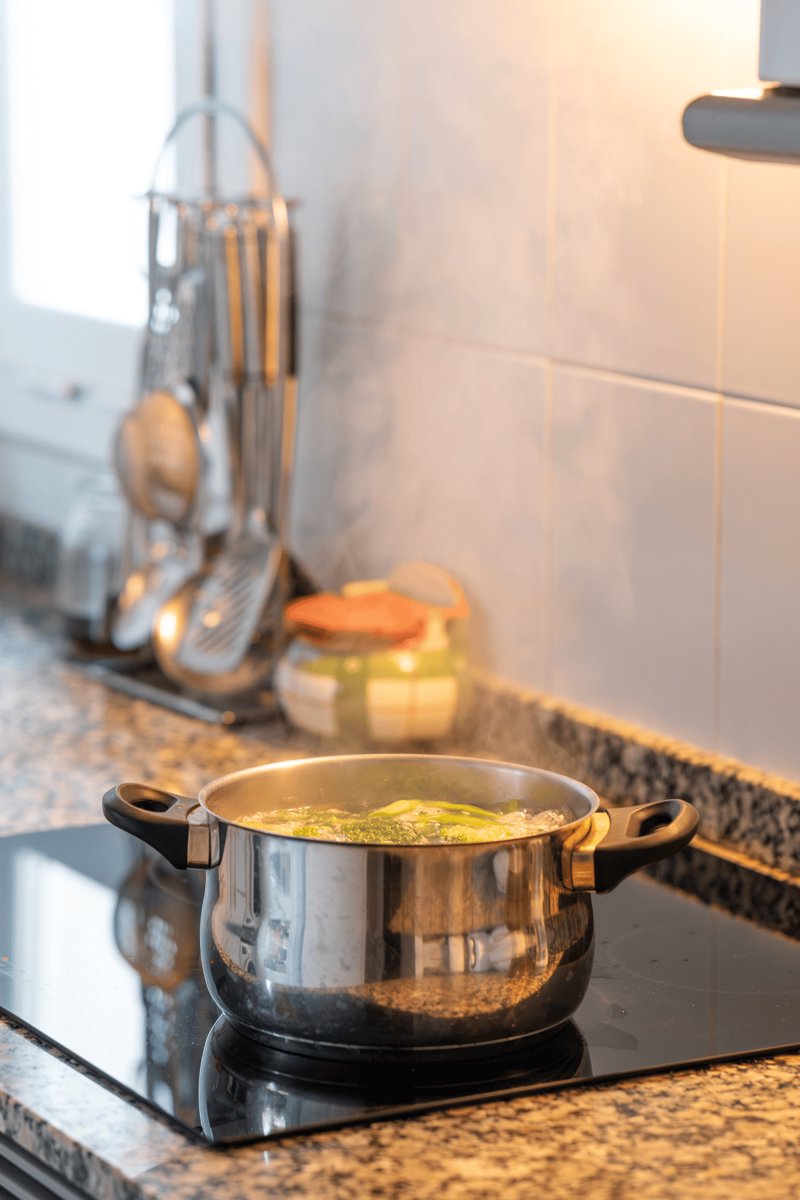
Managing Heat During Longer Recipes
Indian recipes frequently move through several temperature stages, beginning with sautéed onions and progressing through tomatoes, spices, and extended simmering. Induction makes these transitions convenient, but high settings are not always advantageous.
Onions need sufficient time to brown without burning, while tomato-based masalas benefit from steady heat as moisture evaporates and oil begins separating from the mixture. Heavy cookware can moderate rapid temperature changes, particularly when preparing thick gravies. Pressure cooking is another practical application, provided the cooker is induction-compatible and used according to its manufacturer’s instructions.
During longer recipes, occasional stirring remains important because concentrated heat can cause thick mixtures to stick to the bottom.
Making the Most of Induction Cooking
The transition becomes easier when cooks treat induction as a different heating method rather than expecting it to imitate gas perfectly. Start with familiar recipes, observe how quickly cookware responds, and record useful power settings for future meals.
Keep ingredients ready before beginning high-temperature cooking, especially when frying garlic or whole spices that can burn within seconds. Induction also eliminates combustion emissions from the burner itself and leaves the surrounding cooking surface comparatively cooler, although hot cookware can still transfer heat to the glass surface.
These practical advantages make it appealing for busy kitchens where several dishes are prepared together.
With compatible cookware and a little practice, induction can handle much of Indian home cooking, from everyday lentils to elaborate curries. The biggest adjustment is learning to trust precise heat control instead of relying on a visible flame.