Light Refreshing Beverages to Serve alongside Spicy Fusion Dinners
Spicy fusion dinners usually bring several very different flavours to the same table. Chilli garlic noodles might sit next to grilled paneer, Korean cauliflower, cucumber salad and tacos filled with curried chicken or vegetables. One plate can be smoky and salty, the next sharp with lime, and another sweet enough to soften the chilli. Drinks have to cope with all of that without making the meal feel heavier than it already is.
Cold drinks are the obvious choice, especially when the food arrives straight from the grill or wok. Citrus is handy with rich sauces, while a little sweetness can calm down dishes built around fresh chilli or hot paste. Fizzy drinks are good between bites of fried food or sticky glazed vegetables. At home, I’d rather put a couple of different bottles or jugs on the table than spend too much time searching for one perfect match.

Look at the sauces first. Coconut curry needs something different from charred prawns with lime, and gochujang has very little in common with a sharp coriander chutney. If dinner includes several strong sauces, there’s no reason to make the drinks equally busy. Lime water, iced tea, a light spritz or a cold glass of white can be enough.
The people eating matter as much as the recipe. One person may happily add extra chilli oil to everything, while somebody else reaches for yoghurt after the first mouthful. Put cold water on the table from the start, then add an alcohol free option and a bottle for anyone drinking wine. If dinner runs for a couple of hours, people can switch as they go.
If you’re opening wine for the table, start with bottles that are fresh, not too heavy and easy to drink with chilli, herbs and citrus. That’s where the white wine selection comes in, with dry, semi-dry, semi-sweet and sweet bottles made from grapes such as Riesling, Sauvignon Blanc, Chardonnay, Pinot Grigio, Gewürztraminer and Cyprus-grown Xynisteri. You can filter the selection by price, grape, sweetness, volume and alcohol level if you already know roughly what you’re after. Riesling is a good place to start with spicy Asian food, while dry Sauvignon Blanc or Xynisteri work well with seafood, salads and grilled vegetables.
Why chilli changes what you want to drink
Chilli heat isn’t picked up in the same way as sweetness or salt. Capsaicin activates receptors connected with heat and pain, which is why your mouth can feel hot even though the food itself isn’t burning you. Research on capsaicin and TRPV1 explains why chilli creates a burning sensation. It also helps explain why high alcohol can feel especially sharp after a very spicy bite.
Strong spirits can be great at another point in the evening, but they’re rarely what I’d pour next to chilli noodles or a hot curry. Moderate alcohol is easier, and a touch of sweetness can be welcome with food that really brings the heat. Acidity matters too because it keeps richer dishes from feeling too heavy. That combination is why certain white wines keep turning up with Thai, Indian and other spice heavy food.
White wines to try with chilli
Riesling is the easy example. It has plenty of acidity, and many bottles carry enough sweetness to take the edge off a hot sauce without tasting sugary. Try it with chilli noodles, Thai coconut curry, spicy tofu or anything glazed with a sauce that combines heat and sweetness. If the dish has ginger, coriander or aromatic spices, Riesling usually has enough flavour of its own to stay noticeable.
Gewürztraminer is more floral and perfumed, with ripe fruit notes that can be good with coconut, ginger and warm spices. It’s a better fit for fragrant food than for something very lean and citrus driven. Sauvignon Blanc suits lime, green herbs, fresh chilli, seafood and crisp vegetables. Pinot Grigio is quieter and easier when you want the wine to stay in the background.
Chardonnay depends heavily on the style. A fresh bottle without much oak can sit comfortably beside grilled chicken, prawns or a creamy sauce, while a heavily oaked Chardonnay may feel too rich once the chilli starts building. Xynisteri is another good dry option, especially with Cypriot food, grilled seafood, lemon and vegetable dishes. Serve any of them properly chilled.
Give people something without alcohol too
Water should already be there, but another alcohol free drink is easy to add. Lime and mint in cold sparkling water takes only a few minutes and is good with fried snacks, grilled vegetables and spicy noodles. Mango lassi is thicker and sweeter, so I’d keep it for Indian inspired dishes, especially anything with curry, yoghurt or roasted spices. Cold tea with lemon also works and can be made a few hours before dinner.
Try not to make every alcohol free option very sweet. After a couple of spicy dishes, syrupy drinks can become tiring. Cucumber, mint, lime and lightly brewed tea are better when dinner includes lots of sauces. Keep extra ice nearby and top up the jugs as needed.

Quick matches for a mixed dinner
Fusion cooking covers too much ground for one pairing formula. Start with whatever is strongest in the dish, whether that’s chilli, smoke, coconut, lime, garlic or a sweet glaze. From there, choose something that won’t fight with it. These combinations are easy enough to use at home.
| Dish | Drink to try | Why |
|---|---|---|
| Thai coconut curry | Semi dry Riesling | Acidity with a little sweetness |
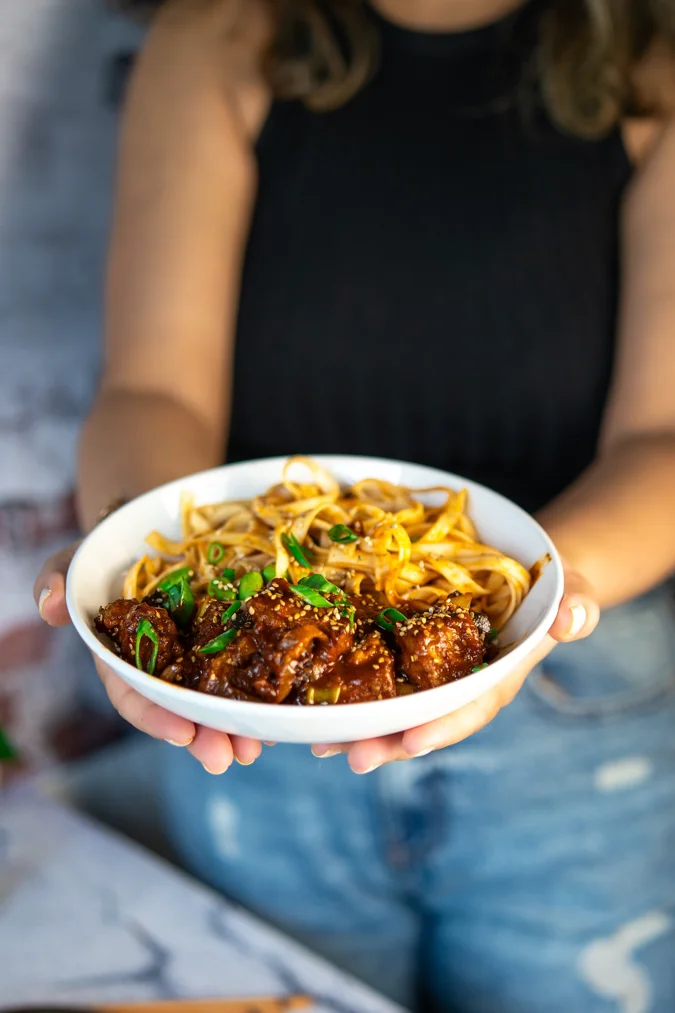
| Chilli garlic noodles | Riesling or lime cooler | Good with heat, garlic and salty sauces |
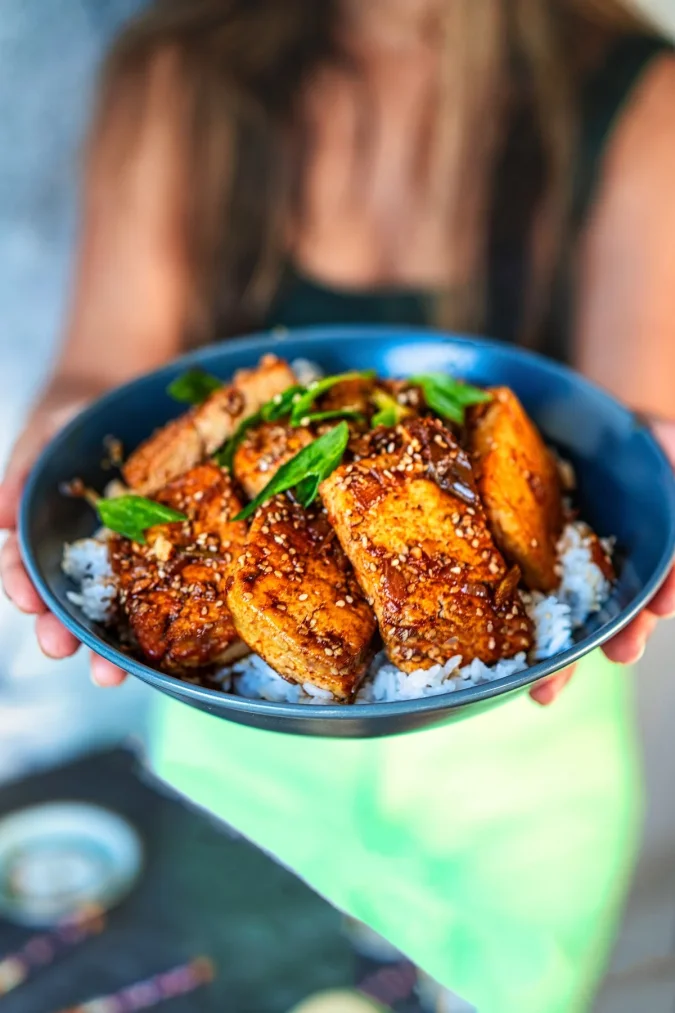
| Gochujang tofu | Gewürztraminer | Aromatic enough for sweet chilli glaze |
| Spicy grilled prawns | Sauvignon Blanc | Fresh with citrus and herbs |
| Paneer tacos with chutney | Xynisteri or mint cooler | Light with cheese and fresh herbs |
| Harissa chicken | Fresh Chardonnay | Enough body for grilled meat |
Don’t worry if the table includes several dishes that point towards different drinks. People aren’t tasting in a judging room. They’re eating dinner. If one bottle is good with three plates and merely fine with the fourth, that’s completely normal.
White wine spritzes for long dinners
A simple white wine spritz is useful when dinner stretches into a warm evening. Pour chilled white wine over ice, add sparkling water and stop there if you want. Lemon, lime, cucumber or mint can go in, but none of them are essential. The point is to make the glass lighter and colder.
For a version without alcohol, use sparkling water with lime and a small splash of fruit juice or syrup. Pineapple is good with charred food and chilli, while cucumber is better with green herbs and salads. Don’t overdo the sweet part. You still want the drink to taste fresh after the first glass.
Keep white wine cold and pour less at once
A bottle of white left on a warm table changes fast. Use an ice bucket and pour smaller glasses rather than filling them to the top. People finish a smaller pour before it gets warm, and they can switch drinks more easily when the next dish arrives. The same applies to homemade coolers.
If you’re making a jug drink, keep part of it in the fridge and refill the table jug later. Otherwise, the final glass often ends up warm and watery after all the ice melts. This is especially noticeable with citrus drinks. A smaller jug refilled twice is usually better than one enormous pitcher.

Put a few drinks on the table and start eating
You don’t need six bottles open for one spicy dinner. One chilled white, plenty of water and one alcohol free drink will cover most tables. If the food includes one dish that is much hotter than everything else, add an off dry Riesling or a yoghurt based drink for that part of the meal. People can choose what they like once they’ve tasted the food.
Taste the sauces before serving and think about what dominates each one. A creamy coconut curry, grilled prawns with lime and chilli noodles all ask for slightly different things, but nobody needs to build a separate drinks menu for every plate. Keep the bottles cold, make sure there’s water, and have something softer ready for anyone who underestimated the chilli. Then eat.